The Quiet Evolution of Scams
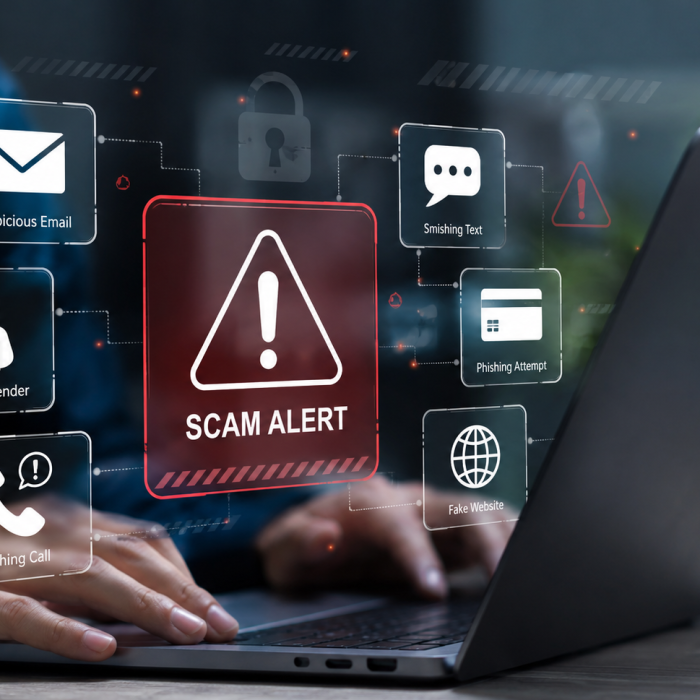
Fraud is changing in ways that can be difficult for organisations and individuals to detect. While many scams still rely...
Read More

A recent case saw a British widow lose a substantial amount of money after she believed she was communicating with a famous actor. AI-generated photos and personalised videos were used to build trust, create an emotional connection and eventually encourage her to invest in a “dream home abroad.”
This is not a one-off story. These scams are becoming increasingly sophisticated and frequent.
The holiday period brings:
All of these create opportunities for fraudsters, who know this is a time when people are more open, generous, and emotionally available.
Scammers will actively exploit this.
Modern scams are highly engineered and can feel extremely real:
1. Fake Identity
Fraudsters create:
These often impersonate celebrities, soldiers, business owners, or foreign professionals.
2. Emotional Grooming
The victim is contacted regularly and gradually made to feel special, chosen, and bonded.
The communication becomes:
3. The “Ask”.
Once trust is established, money is requested for things like:
This request will often come with urgency and secrecy.
Fraudsters now use tools that can:
✔ clone voices
✔ generate video messages
✔ produce realistic photos
✔ mimic celebrities
✔ interact in real-time
These technologies are widely available, inexpensive, and easy to use.
This makes fraud harder to spot than ever before.
Please take care if anyone:
If something feels off, pause.
A short conversation can prevent a life-changing loss.
Please consider:
Holiday scams do not only target individuals; businesses are targeted too via:
Slowing down and verifying is key.
🎄 The holidays are a time for connection, not exploitation.
🧠 Fraudsters are using AI to manipulate trust and emotion.
🔒 A few basic precautions can prevent devastating loss.
We encourage everyone to stay alert, share awareness, and support friends, colleagues and family members who may be vulnerable to this type of contact.
Contact us on 020 7101 4861 or email us at info@ajollyconsulting.co.uk if you have any concerns or think we can help.
Sources:
Image accreditation: Pratik Gupta (May 2019) from Unpslash.com. Last accessed on 10th December 2025. Available at: https://unsplash.com/photos/white-android-smartphone-near-green-plant-CNOo9ZMBqRM
Fraud is changing in ways that can be difficult for organisations and individuals to detect. While many scams still rely...
Read More
Artificial intelligence is rapidly moving from experimentation to everyday business use. However, as adoption increases, the success of AI depends...
Read More
The UK government has launched its latest fraud strategy, setting out a three-year plan to combat what remains the most...
Read More